
There's something instantly comforting about this dish—the sweet, savory, and gently spicy flavors dancing together in every bite. This Korean Beef Bowl Recipe is a quick and delightful way to brighten your dinner routine with bold tastes and minimal fuss.

Jump to:
Why You'll Love This Recipe
I honestly keep coming back to this Korean Beef Bowl Recipe because it’s a perfect weeknight winner. It’s fast, the flavors are rich without being overwhelming, and it feels like a special treat without requiring hours in the kitchen.
- Speedy Prep: You can have this ready in about 20 minutes, which is fantastic after a long day.
- Bold Flavor Combo: The tamari, honey, and sesame oil create a sauce that’s rich, sweet, and aromatic all at once.
- Lean but Satisfying: Using lean ground beef keeps it balanced without sacrificing that hearty meaty vibe you want in a bowl.
- Flexible Serving: Whether plain with rice or loaded with garnishes, it’s super easy to tailor to your taste or what’s on hand.
Ingredients & Why They Work
Each ingredient in this Korean Beef Bowl Recipe plays a vital role in bringing those irresistible flavors together. Let me guide you through why these particular choices work so well and how to pick the best ones for your kitchen.

- Tamari Sauce: This gluten-free soy sauce alternative adds deep umami and a salty backbone to the dish—don’t substitute with light soy sauce unless you want an extra salty punch.
- Honey: It perfectly balances the savory and spicy notes with its natural sweetness. You can swap for maple syrup if you want a different twist but honey keeps that classic flavor.
- Asian Sesame Oil: Just a tablespoon goes a long way infusing nutty, toasted aromas that scream authentic Korean flavors.
- Red Pepper Flakes: Adds a mild kick. Adjust to your heat tolerance—you’ll feel the warmth but nothing that overwhelms.
- Ground Ginger: Ground ginger integrates smoothly, lending subtle spice and warmth—fresh ginger works too but I’m all about quick, no-fuss cooking.
- Olive Oil: A good medium heat oil to sauté garlic and onion without overpowering the other flavors.
- Chopped Onion: Brings sweetness and texture once cooked down—essential for that aromatic base.
- Garlic: I use 5 cloves because garlic and Korean flavors are best friends. It fills the kitchen with heavenly smells every time.
- Extra Lean Ground Beef (90% lean): Keeps this dish hearty but less greasy, perfect if you want a lighter dinner without compromising on protein.
- Green Onions: Freshness and that slight bite on top make each bowl pop visually and taste-wise.
Make It Your Way
I love tweaking this Korean Beef Bowl Recipe depending on what’s in season or my mood. Don’t hesitate to swap in veggies or switch up the spice level—that’s what makes cooking fun, right?
- Vegetable Boost: I sometimes toss in shredded carrots or spinach toward the end of cooking for extra color and nutrition—it keeps things fresh and lively.
- Heat Level: If you enjoy things spicier, add more red pepper flakes or drizzle with extra gochujang sauce—trust me, it wakes everything up.
- Protein Swap: Ground turkey or chicken also works well here if you want a lighter version.
- Rice Alternatives: I sometimes serve mine over cauliflower rice or even quinoa for a different texture and wholesome feel.
Step-by-Step: How I Make Korean Beef Bowl Recipe

Step 1: Whisk Together the Flavor-Packed Sauce
Start by mixing the tamari, honey, sesame oil, red pepper flakes, and ground ginger in a bowl until everything’s nicely combined. This is your flavor powerhouse, so take a moment to appreciate the sweet and savory aroma—it’s the heart of the dish!
Step 2: Sizzle Onions and Garlic to Aromatic Perfection
Heat the olive oil in a wok or large skillet over medium-high heat until it just starts to shimmer—watch that oil, you want it hot but not smoking. Toss in the chopped onion and garlic, stirring often for about 2-3 minutes until they're fragrant and translucent. This step builds a savory base that’s crucial, so don’t rush it.
Step 3: Brown the Beef and Infuse the Sauce
Add your extra lean ground beef to the skillet, breaking it apart with a wooden spoon or spatula into bite-sized bits as it cooks. When the beef is about halfway browned (about 1-2 minutes), pour in your prepared sauce. Stir thoroughly to coat every morsel—this is when the magic happens. Keep cooking until the beef is fully browned and the sauce thickens slightly, about 3-4 more minutes.
Step 4: Serve and Enjoy!
Serve the saucy beef immediately over warm bowls of steamed rice. I like to gently mix the beef into the rice a bit to soak up all those wonderful juices. Finish with your favorite garnishes, and you’re ready to dig in!
Top Tip
Making this Korean Beef Bowl Recipe countless times has taught me that getting the timing and heat right yields the best texture and flavor. Here are my personal must-knows for you:
- Watch Your Heat: Medium-high heat lets onions and garlic soften without burning—that burnt garlic taste can easily ruin the dish.
- Don’t Overcrowd the Pan: If your skillet looks packed when adding beef, do it in batches for better browning and less steaming.
- Sauce Timing: Add the sauce when beef is about half-cooked so it has time to meld flavors without getting too watery.
- Use Fresh Garlic: Fresh chopped garlic beats garlic powder in both taste and aroma by miles—your kitchen will thank you!
How to Serve Korean Beef Bowl Recipe

Garnishes
I’m all about those fresh green onions sprinkled on top—they add that fresh crunch and vibrant color. A dollop of spicy gochujang sauce is my personal favorite to kick it up a notch. For extra texture and flavor, toasted sesame seeds and a handful of kimchi are amazing companions.
Side Dishes
Something light and crisp works beautifully – like a simple cucumber salad or steamed broccoli with a squeeze of lemon. I also love pairing it with quick pickled radishes or even kimchi for that authentic Korean touch.
Creative Ways to Present
For special dinners, I’ve served this in mini stone bowls so the rice crisps up a bit on the edges—always a crowd-pleaser. Another fun idea is to turn these into lettuce wraps for a hands-on meal that’s fresh and interactive.
Make Ahead and Storage
Storing Leftovers
I store leftover Korean Beef Bowl mix in airtight containers in the fridge for up to 3 days. Make sure it cools completely before sealing to keep everything fresh and safe.
Freezing
Freezing works well too if you want a ready-to-go meal. Portion the cooked beef with sauce into freezer-safe containers or bags. Thaw overnight in the fridge before reheating.
Reheating
To reheat, gently warm on the stovetop with a splash of water to loosen the sauce, or microwave covered in short bursts, stirring in between. This keeps the meat juicy and the flavors vibrant.
Frequently Asked Questions:
Absolutely! Using tamari sauce instead of regular soy sauce ensures this recipe is gluten-free without sacrificing flavor.
I recommend using 90% lean ground beef. It’s lean enough to keep the dish light but still tender and flavorful when cooked with the sauce.
Yes! Adding shredded carrots, spinach, or bell peppers near the end of cooking works wonderfully and adds freshness and nutrition.
It has a mild to medium spiciness thanks to the red pepper flakes—you can always adjust the amount to your personal heat preference or skip it altogether for a gentler flavor.
Final Thoughts
This Korean Beef Bowl Recipe feels like a little celebration in a bowl—quick enough for busy nights but packed with flavor you’d expect from a restaurant. It’s become one of my absolute go-tos when I want something satisfying without fuss. Give it a try, and I’m betting it’ll become a favorite in your home too.
Print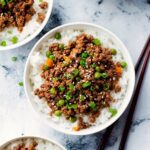
Korean Beef Bowl Recipe
- Prep Time: 12 minutes
- Cook Time: 8 minutes
- Total Time: 20 minutes
- Yield: 6 servings
- Category: Main Course
- Method: Stovetop
- Cuisine: Korean
Description
This Korean Beef Bowl Recipe offers a quick and flavorful dinner option featuring tender ground beef cooked in a savory, slightly sweet tamari sauce with a hint of spice. Perfect for busy weeknights, it delivers takeout-quality taste in just 20 minutes, served over warm rice and garnished with green onions and optional gochujang sauce.
Ingredients
Sauce Ingredients
- ¼ cup tamari sauce
- 2 tablespoons pure honey
- 1 tablespoon Asian sesame oil
- 1 teaspoon red pepper flakes
- ¼ teaspoon ground ginger
Beef Mixture
- 3 tablespoons olive oil
- ½ cup chopped onion
- 5 cloves garlic, chopped
- 1 lb extra lean ground beef (90% lean)
- Green onions for garnish
Instructions
- Prepare the Sauce: In a bowl, combine tamari sauce, pure honey, Asian sesame oil, red pepper flakes, and ground ginger. Stir well until all ingredients are fully incorporated. Set aside.
- Cook Aromatics: Heat 3 tablespoons of olive oil in a wok or large skillet over medium-high heat until the oil is slightly smoking. Add the chopped onion and garlic, stirring constantly for 2 to 3 minutes until aromatic and translucent.
- Brown the Beef: Add the ground beef to the skillet, breaking it up into small pieces with a spatula. Stir for 1 to 2 minutes until the beef is about halfway cooked.
- Add the Sauce: Pour the prepared sauce mixture into the skillet with the beef. Stir thoroughly to combine and continue cooking until the beef is fully browned and cooked through, about 3 to 4 more minutes.
- Serve: Serve the Korean beef immediately over bowls of warm cooked rice, gently mixing the beef into the rice. Garnish with sliced green onions and additional toppings like gochujang sauce if desired.
Notes
- This recipe is a quick and easy way to bring bold Korean flavors to your dinner table in just 20 minutes.
- Use tamari sauce as a gluten-free alternative to soy sauce for a richer flavor and to accommodate gluten sensitivities.
- Gochujang sauce adds a spicy and savory kick and is recommended as a garnish or side condiment.
- For leaner meat, choose 90% lean ground beef to reduce fat content while maintaining juiciness.
- This dish pairs wonderfully with steamed jasmine or short-grain rice for an authentic experience.
Nutrition
- Serving Size: 1 serving
- Calories: 194 kcal
- Sugar: 6 g
- Sodium: 600 mg
- Fat: 10 g
- Saturated Fat: 3 g
- Unsaturated Fat: 7 g
- Trans Fat: 0.3 g
- Carbohydrates: 9 g
- Fiber: 0.3 g
- Protein: 17 g
- Cholesterol: 47 mg



Leave a Reply