
There’s something irresistibly cozy about the warm spices and rich creaminess in this Biscoff Cookie Butter Cake Recipe. With its layers of moist cake and that dreamy cookie butter frosting, it’s a treat that’s as comforting as it is showstopping—perfect for sharing or indulging solo.

Jump to:
Why You'll Love This Recipe
I’m genuinely obsessed with this Biscoff Cookie Butter Cake Recipe because it nails that perfect balance between spicy, sweet, and buttery. Every bite feels like a hug from the inside out, making it my go-to when I want to impress without spending hours fussing.
- Loaded with flavor: Every layer is packed with crushed Biscoff cookies and the smooth, velvety cookie butter that makes this cake unforgettable.
- Moist and fluffy texture: Thanks to sour cream and careful mixing, the cake bakes up tender and keeps its softness even after frosting.
- Whipped frosting magic: The cream cheese and cookie butter frosting is light yet indulgent, adding that dreamy finish you’ll be licking the bowl for.
- Perfect for any occasion: Whether it’s a birthday, holiday, or a weekend treat, this cake always feels special and just the right amount of decadent.
Ingredients & Why They Work
This Biscoff Cookie Butter Cake Recipe uses a mix of pantry staples and that magical Biscoff magic to create layers that are both flavorful and structurally sound. Here’s a bit on what makes each ingredient shine:

- Unsalted butter: Provides richness and helps create a tender crumb; using unsalted lets you control the salt level.
- Vegetable oil: Keeps the cake moist and adds a touch of softness to the crumb.
- Brown sugar: Adds deep, caramel-like flavor and moisture to the cake.
- Granulated sugar: Balances sweetness and helps with the cake’s structure.
- Sea salt: Enhances all the flavors — never skip it, especially with something as sweet as Biscoff.
- Pure vanilla extract: Brings warmth and rounds out the flavors beautifully.
- Large eggs: Act as a binder and help with the cake’s lift; use room temperature for best mixing.
- Sour cream: Adds moisture and tanginess that balances the sweetness and keeps the cake tender.
- All-purpose flour: Creates the cake’s structure; measuring carefully ensures the right texture.
- Baking powder: The leavening agent to make your cake light and fluffy.
- Cinnamon: Pairs perfectly with Biscoff’s spices for that warm, comforting note.
- Milk: Helps create a smooth batter and tender crumb.
- Biscoff cookies (crushed): For a delightful crunch and extra bursts of cookie flavor inside the layers.
- Biscoff spread: The star ingredient, giving that luscious, creamy cookie butter flavor in both the batter and frosting.
- Cream cheese: Adds tang and creaminess to the frosting, balancing sweetness with richness.
- Powdered sugar: Sweetens and stabilizes the frosting for that silky finish.
- Heavy whipping cream: Gives the frosting a light, whipped texture that isn’t too dense.
Make It Your Way
One of the joys of this Biscoff Cookie Butter Cake Recipe is how easy it is to tweak for your own taste or occasion. I've played with the amount of cinnamon and even swapped in vegan butter with great success.
- Variation: I sometimes add chopped pecans for crunch, which adds a nutty texture that pairs beautifully with the cookie flavors.
- Dairy-Free Option: Try coconut cream in place of sour cream and use a dairy-free cream cheese to make it vegan-friendly without losing that creamy frosting vibe.
- Less Sweet: Reduce powdered sugar in the frosting slightly if you prefer less sweetness, especially if you’re pairing the cake with a sharply brewed coffee.
Step-by-Step: How I Make Biscoff Cookie Butter Cake Recipe

Step 1: Creaming the Butter and Sugars
Start by beating the softened unsalted butter with both the brown and granulated sugars until your mixture is light and fluffy—about 4 to 5 minutes. This step is crucial because it incorporates air, giving your cake that lovely lift. I like to scrape down the bowl a couple of times to keep everything evenly mixed. Avoid rushing this part—it’s worth it!
Step 2: Adding Eggs and Vanilla
Add the eggs one at a time at room temperature, mixing well after each addition. This ensures a smooth batter and helps prevent curdling. Then stir in the vanilla extract along with the sea salt—salt really brightens all the flavors here.
Step 3: Incorporate the Dry Ingredients and Sour Cream
In a separate bowl, sift together the flour, baking powder, and cinnamon. Alternate adding the dry ingredients and the milk to the butter mixture, starting and ending with the flour. Be gentle and mix just until combined to keep the batter tender. Fold in the sour cream and crushed Biscoff cookies last; the sour cream keeps this cake incredibly moist, while crushed cookies add texture and flavor bursts.
Step 4: Bake and Cool
Pour the batter into your prepared cake pans—remember to grease and flour them well or use parchment paper for easy release. Bake at 350°F (175°C) for about 30 minutes, or until a toothpick inserted comes out clean. Let the cakes cool completely before frosting; patience here is key to a smooth, mess-free icing process.
Step 5: Making the Cookie Butter Frosting
Beat together the slightly softened butter and cream cheese until creamy and smooth. Gradually add powdered sugar, then the Biscoff spread, mixing well after each addition. Whip in cold heavy cream a tablespoon at a time until you reach a light, fluffy consistency. This frosting is like a cloud of cookie butter goodness, and it spreads beautifully without being heavy.
Step 6: Assemble the Cake
Layer the cooled cakes with a generous spread of frosting in between, placing whole Biscoff cookies between layers for an exciting crunch. Once stacked, slather the outside with the remaining frosting. Finish with a drizzle of melted Biscoff spread—a luscious drip effect—and decorate with cookies at the base and top to wow your guests.
Top Tip
Over the years of making this cake, I’ve learned a few tricks that help get the best results and make the process more enjoyable. Here are my top tips for success:
- Room Temperature Ingredients: Make sure your eggs, sour cream, butter, and cream cheese are all at room temperature — it helps create a smooth batter and frosting.
- Crushed Cookies Texture: I prefer crushing the Biscoff cookies by hand into small chunks rather than powder, so you get those delightful crunchy bits in every bite.
- Don’t Overmix: Once you add the flour, mix gently—overmixing can lead to a dense cake, which would be a shame here.
- Frost When Cake Is Fully Cool: Frosting a warm cake melts the frosting and causes sliding layers, so be patient and cool completely for that picture-perfect finish.
How to Serve Biscoff Cookie Butter Cake Recipe

Garnishes
I like to keep the garnishes simple but meaningful—sprinkling a few whole Biscoff cookies on top adds a rustic charm, and sometimes I add a light dusting of cinnamon to amplify that warm spice flavor without overpowering the cookie butter star.
Side Dishes
This cake pairs beautifully with a bold cup of coffee or a simple glass of milk for a comforting snack. If you’re serving it for a party, fresh berries or a lightly sweetened whipped cream on the side makes a lovely contrast to the richness.
Creative Ways to Present
For special occasions, I’ve used edible gold leaf accents or piped small rosettes of frosting along the edges. Layering mini Biscoff cookie crumbles over the drip adds a fun textured finish that guests always notice.
Make Ahead and Storage
Storing Leftovers
Leftover Biscoff Cookie Butter Cake keeps beautifully in the fridge, wrapped loosely in plastic wrap or stored in an airtight container. It maintains moisture and flavor for up to 4 days—and honestly, it’s usually gone that fast in my house!
Freezing
I’ve frozen fully assembled cakes and individual slices wrapped tightly in plastic and foil. Thaw in the fridge overnight for best texture. The frosting sometimes softens, so a quick chill before serving helps it get back to perfect.
Reheating
For a slightly warmed slice, microwave for about 10 seconds. This brings out the Biscoff spread’s molten goodness without making the frosting melt completely. Just enough warmth to feel like a fresh-baked treat.
Frequently Asked Questions:
Smooth Biscoff spread works best for a silky texture in frosting and drips, but if you prefer the crunchier version, you can incorporate it into the layers for extra texture without compromising the smooth frosting.
Stored tightly wrapped in the fridge, this cake stays fresh up to 4 days. Make sure it’s covered well so it doesn’t absorb other fridge odors.
Yes! Substitute the all-purpose flour with a gluten-free baking flour blend, and double-check that your baking powder is gluten-free. The texture might vary slightly but the flavor remains delicious.
I recommend using a zip-top bag and a rolling pin to crush the cookies into small chunks, not powder. This gives your cake lovely cookie bursts and prevents the texture from becoming too sandy.
Final Thoughts
This Biscoff Cookie Butter Cake Recipe holds a special place in my kitchen because it’s both a crowd-pleaser and a comforting homemade indulgence. Whether you’re baking for friends or savoring a quiet moment alone, it’s a cake that delivers warmth, nostalgia, and buttery cookie bliss in every bite. I can’t wait for you to try it and see just how magical the combination of Biscoff cookies and cookie butter can be.
Print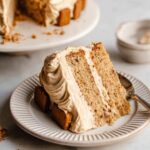
Biscoff Cookie Butter Cake Recipe
- Prep Time: 30 minutes
- Cook Time: 30 minutes
- Total Time: 1 hour
- Yield: 12 servings
- Category: Dessert
- Method: Baking
- Cuisine: American
Description
This Biscoff Cake is a luscious dessert featuring soft, moist layers packed with crushed Biscoff cookies, enveloped in a whipped cookie butter cream cheese frosting and topped with a decadent Biscoff spread drip. The combination of cinnamon-spiced cake, creamy frosting, and crunchy cookie accents creates an irresistible treat perfect for any special occasion.
Ingredients
Cake Layers
- 1 ½ cup unsalted butter (softened)
- ⅓ cup vegetable oil
- 1 ½ cup brown sugar (packed)
- ⅓ cup granulated sugar
- ½ teaspoon sea salt
- 1 tablespoon pure vanilla extract
- 7 large eggs (room temperature)
- ¾ cup sour cream (room temperature)
- 4 ¾ cup all purpose flour (570g)
- 3 ¾ teaspoon baking powder
- 1 ½ tablespoon cinnamon
- 1 cup milk (room temperature)
- 12 Biscoff cookies (crushed)
Frosting
- 1 cup unsalted butter (slightly softened at room temperature for 30 minutes)
- 3-4 cups powdered sugar
- ¾ cup Biscoff spread (room temperature)
- 8 oz cream cheese (softened for 10 minutes at room temperature)
- 3-6 tablespoons heavy whipping cream (cold)
Decorations and Drip
- ½ cup Biscoff spread (melted)
- 10 Biscoff cookies (for between layers)
- 8 Biscoff cookies (for around base)
- 8 Biscoff cookies (for top)
Instructions
- Prepare the Cake Batter: In a large bowl, cream together the softened unsalted butter, vegetable oil, brown sugar, and granulated sugar until light and fluffy. Add sea salt, vanilla extract, and then the eggs one at a time, mixing well after each addition. Incorporate the sour cream thoroughly.
- Combine Dry Ingredients: In a separate bowl, sift together the all-purpose flour, baking powder, and cinnamon. Gradually add the dry ingredients into the wet mixture alternately with the milk, beginning and ending with the flour mixture. Mix until smooth and homogenous.
- Add Crushed Biscoff Cookies: Gently fold in the crushed Biscoff cookies into the batter, ensuring even distribution without overmixing to maintain cake tenderness.
- Bake the Cake Layers: Preheat your oven to 350°F (175°C). Grease and flour three 8-inch round cake pans. Divide the batter evenly among the pans and smooth the tops. Bake for 30 minutes or until a toothpick inserted into the center comes out clean. Allow the cakes to cool completely in the pans for 10 minutes, then transfer to wire racks to cool fully.
- Prepare the Frosting: In a mixing bowl, beat the softened butter and cream cheese together until smooth and creamy. Add the Biscoff spread and mix until combined. Gradually add powdered sugar, 3-4 cups depending on desired sweetness and consistency. Beat until light and fluffy. Add heavy whipping cream, 3 tablespoons at first, increasing up to 6 tablespoons to reach a spreadable, whipped consistency.
- Assemble the Cake: Place one cake layer on your serving plate. Spread an even layer of frosting on top, then decorate with Biscoff cookies between layers (use 10 cookies divided evenly). Repeat with remaining cake layers and frosting, ensuring each layer is level and coated well with frosting.
- Apply Crumb Coat and Chill: Spread a thin crumb coat of frosting around the assembled cake to seal in crumbs. Chill in the refrigerator for at least 30 minutes to set before applying the final frosting layer.
- Final Frosting and Decorating: Once chilled, apply a thick, even layer of frosting around the cake. Press the 8 Biscoff cookies around the base for decoration. Crumble or arrange the remaining 8 cookies on top decoratively.
- Add Biscoff Spread Drip: Warm the melted Biscoff spread slightly if needed to achieve a pourable consistency. Using a spoon or piping tool, drizzle the spread around the edges of the top layer allowing it to drip down the sides elegantly. Refrigerate the cake to set the drip and frosting.
- Serve and Enjoy: Let the cake sit at room temperature for 15 minutes before serving to allow the flavors and textures to soften and meld. Slice and enjoy your rich and indulgent Biscoff cake!
Notes
- This cake is best enjoyed within 2-3 days for optimal freshness and flavor.
- Ensure all dairy ingredients like eggs, sour cream, and milk are at room temperature for smoother batter and better rise.
- You can substitute sour cream with Greek yogurt if preferred for a tangy flavor.
- For a dairy-free version, use plant-based butter and cream alternatives, though texture may vary slightly.
- Crushing Biscoff cookies finely into the batter ensures cookie pieces blend nicely without being too chunky.
- Adjust the amount of powdered sugar and heavy cream in the frosting to reach your preferred sweetness and consistency.
- Use a serrated knife or cake leveler to ensure even cake layers before assembling for a professional look.
- For extra stability, chill the assembled cake between frosting layers when decorating.
Nutrition
- Serving Size: 1 serving
- Calories: 1242 kcal
- Sugar: 80 g
- Sodium: 538 mg
- Fat: 71 g
- Saturated Fat: 34 g
- Unsaturated Fat: 24 g
- Trans Fat: 2 g
- Carbohydrates: 138 g
- Fiber: 2 g
- Protein: 16 g
- Cholesterol: 215 mg


Leave a Reply